Botox has been around long enough that most people know someone who has tried it. Some come for softer forehead lines, others to tame teeth grinding or migraines. A few want a subtle brow lift or a lip flip. The treatment is familiar, but the decision is personal. I have treated patients who cried with relief when their chronic migraine days finally dropped, and others who regretted a rushed cosmetic session that left them looking frozen for weeks. Good results come from matching the right person, the right technique, and the right expectation. That starts with honest screening.
This guide is written from years in the chair and at the bedside. I will walk through candidacy, contraindications, safety considerations, and what truly influences Botox results, including cost, downtime, and maintenance. The goal is not to “sell” Botox treatment, but to help you decide whether it makes sense for you, now or later.
What Botox Is, and What It Isn’t
Botox cosmetic is a purified neurotoxin (onabotulinumtoxinA). It blocks the nerve signal that tells a muscle to contract. That effect is temporary. In the face, selective relaxation softens expression lines, like the “11s” between the brows, forehead creases, and crow’s feet. It does not fill hollows or add volume, which is why Botox and dermal fillers solve different problems. If you have static folds carved by time or volume loss in the cheeks or lips, a filler or skin tightening device might be a better match, or a combination.
Medically, Botox therapy is used far beyond facial lines: chronic migraine, hyperhidrosis (excess sweating), cervical dystonia, blepharospasm, spasticity, and overactive bladder. In aesthetics, skilled injectors also treat masseter muscles for jaw slimming and TMJ symptoms, platysma bands in the neck, a gummy smile, bunny lines on the nose, chin dimpling (pebble chin), and subtle lip shape changes known as a lip flip.
Think of Botox as a precise, temporary dimmer switch for specific muscles. The art lies in dosing each muscle so it quiets down without removing essential expression or function.
Who Is a Good Candidate?
I look at three things: your anatomy, your goals, and your health status. The best candidates have expression lines that are primarily dynamic, meaning they appear or deepen when you frown, squint, or raise your brows. If the skin looks smoother when I gently stretch it, that suggests the line is still driven by muscle activity and likely to respond. In contrast, deep etched lines that persist at rest may improve, but not disappear, and often need a layered plan with resurfacing or filler.
Age is not the main criterion. I have treated people in their twenties with intense frown lines from strong corrugators and those in their sixties who want softer crow’s feet for photos. Preventative Botox, sometimes called Baby Botox or Micro Botox, can make sense for patients who form creases early, or whose occupations require frequent expressive movement under bright lights, like performers or broadcast journalists. The trick is restraint. Fewer units, placed strategically, reduce repeated folding without flattening your face. If you barely see lines even when you animate, prevention may be more skincare and sun protection than needles.
Behavior matters more than birthdays. Smokers, heavy tanners, and those with frequent dehydration tend to age faster and may have more static creasing that Botox alone can’t fully address. If you grind your teeth or clench your jaw, your masseter muscles can enlarge and widen your lower face. Botox for masseter hypertrophy softens the square jaw look and may ease jaw clenching and TMJ pain. Expect gradual facial slimming over 6 to 8 weeks as the muscle de-bulks from disuse.
For the neck, Botox for platysma bands can refine a “turkey neck” appearance in the short term, but it will not tighten lax skin or remove a double chin. Here the candid conversation is about what Botox can do, and what requires skin tightening or fat reduction.
When Botox Is Not the Right Choice
Contraindications are real, not formalities. I turn patients away when the risk outweighs the benefit, and I sleep better for it. Absolute contraindications include a known allergy to any component of a Botox injection and active infection at the planned treatment site. If you have a neuromuscular junction disorder, such as myasthenia gravis or Lambert-Eaton syndrome, or certain peripheral neuropathies, Botox can worsen weakness and is generally avoided. Pregnancy and breastfeeding remain off-label and are avoided in most practices due to lack of safety data.
Relative contraindications need a judgment call. Uncontrolled autoimmune disease, bleeding disorders, and use of certain blood thinners require tailored planning or deferral. Oral aminoglycoside antibiotics and some muscle relaxants can potentiate Botox effects, so timing matters. If you are prepping for an important event in three days, I recommend rescheduling your first time. Post-treatment swelling or a rare eyelid droop, even if mild, will feel much bigger when a camera is involved.
Expectation mismatches are another reason to pause. If someone wants Botox for sagging skin in the lower face, or asks for “zero movement” but also wants to look natural, I slow down. Botox can give a subtle brow lift, soften forehead lines, improve a gummy smile, and reduce bunny lines. It cannot lift heavy skin or fix hollowing. When we misapply it, we chase doses, lose nuance, and risk looking overtreated.
How Botox Works in the Real World
The classic areas, backed by years of data, are glabellar frown lines, forehead lines, and crow’s feet. On average, Botox results start to appear in 3 to 5 days, peak around 2 weeks, and gradually fade over 3 to 4 months. Some people metabolize faster or slower. Forehead movement usually returns first, followed by crow’s feet. Masseter and trapezius injections tend to last longer, anywhere from 4 to 6 months, because those are larger muscles with different activity patterns.
Dose matters, but placement matters more. A heavy brow or hooded eyes call for cautious forehead dosing to avoid a droopy eyelid or a flat brow. A deep frown needs respect for the procerus and corrugator muscles so the central brow relaxes without creating a Spock brow. For a lip flip, micro-doses along the upper lip border are enough to relax the orbicularis oris and gently roll the lip up. Too much and you struggle with drinking from a straw or pronouncing certain sounds for a week.
Baby Botox and Micro Botox describe technique rather than a product. The idea is to use smaller aliquots, often spread out, to keep movement while smoothing lines. I prefer this in first-time Botox patients or those in camera-heavy professions, because we can calibrate at a two week follow-up. The goal is subtle Botox, not obvious change.
Medical Uses That Change Lives
Two scenarios stand out in practice. Patients with chronic migraine who meet criteria for Botox for headache relief often report fewer headache days by the second treatment cycle, which is typically every 12 weeks. The injection pattern follows a standardized map across the scalp, forehead, temples, neck, and shoulders. If you also have shoulder tension or neck pain, that pattern can help, but dosing must be mindful to avoid excessive neck weakness in smaller patients.
Hyperhidrosis is another hidden quality-of-life issue. Botox for sweating in the underarms can keep you dry for 4 to 6 months, sometimes longer. Hands sweating and feet sweating respond too, but hand injections can be more uncomfortable and may temporarily weaken grip strength. Choosing this therapy is about priorities: how much the sweating affects your daily life and what trade-offs you accept.
Safety Profile: Common, Uncommon, Rare
Most adverse effects are mild and short lived. Expect small red bumps or swelling at injection sites that settle in an hour. Bruising can happen, especially around the eyes or lips. Headaches may occur in the first 24 to 48 hours with forehead treatment. Temporary eyelid droop (ptosis) is uncommon, more likely when the brow depressors and frontalis balance is off or when product migrates. Proper placement and gentle aftercare reduce the risk.
Botox risks increase with poor technique, contaminated or counterfeit product, or excessive dilution. Choose a certified Botox provider with medical training who uses genuine product and follows sterile protocol. Ask to see vials if you are worried; real Botox cosmetic packaging has traceable lot numbers.
Systemic reactions to aesthetic doses are rare, but if you experience trouble swallowing, muscle weakness away from the treated area, or breathing changes, seek medical care immediately. The probability is low, the urgency is high.
What the Appointment Actually Feels Like
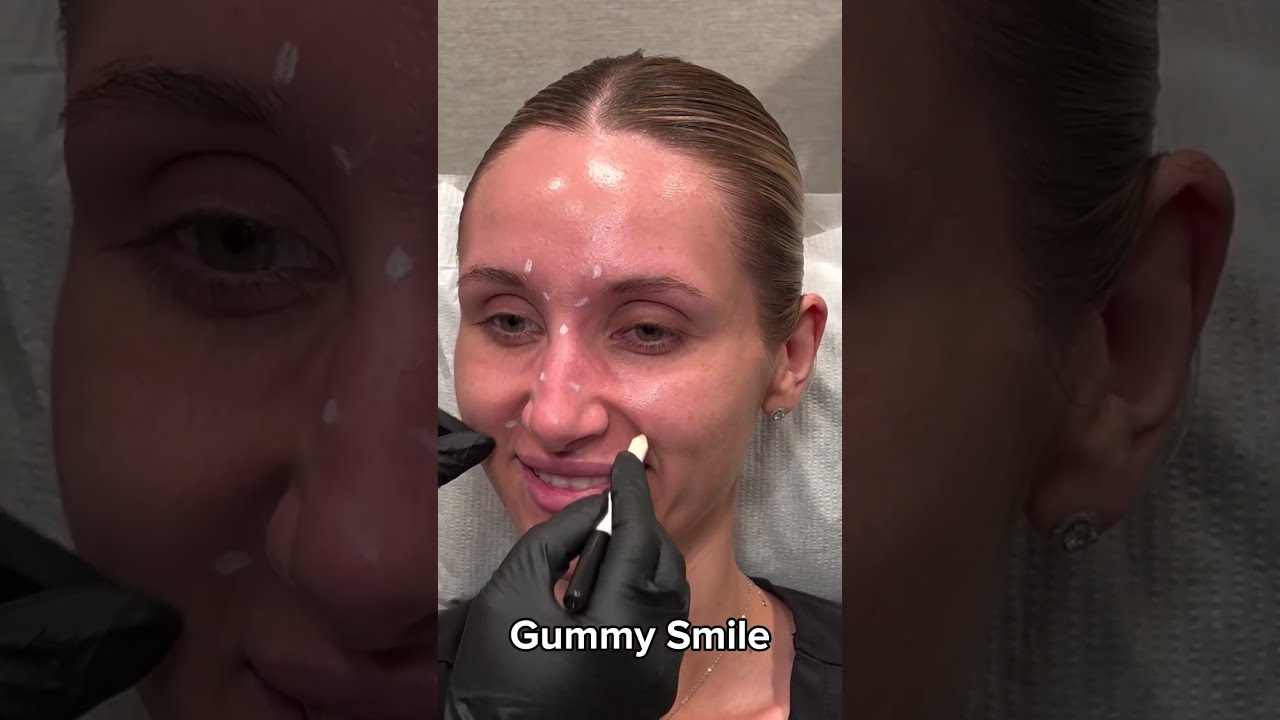
First-time Botox sessions follow a predictable arc. We review your medical history, medications, prior treatments, and goals. Good evaluators watch you talk, smile, and frown, then mark injection points with a cosmetic pencil. We discuss asymmetries. Everyone has them. The goal is to harmonize, not to mirror-image everything.
The injections feel like quick pinches. In sensitive areas such as the lip border or hands, we use ice, vibration distraction, or topical numbing. A standard upper face treatment might take 10 minutes of needle time. You will have small bumps that look like bug bites for 10 to 20 minutes. You can drive yourself home.
Aftercare is simple. Stay upright for four hours. Skip heavy workouts that day, and avoid rubbing the treated areas. Makeup can go on with a light touch after the little bumps fade. You will not look instantly different when you walk out. I ask first-time patients to send photos at day 7 and day 14 so we can assess Botox results and tweak if needed. Tiny touch-ups, if any, are usually done around the two week mark.
Natural Results Without the “Done” Look
The most common worry I hear is, “I don’t want to look frozen.” The antidote is personalized dosing and restraint, especially across the forehead. If someone uses their forehead heavily to hold their brows up because of mild hooding, I keep forehead units lower and let crow’s feet and frown lines do more of the smoothing. For actors and public speakers, I preserve some brow lift and lateral smile movement. Subtle Botox does not erase your expressions, it softens the overactive parts.
Photographic “Botox before and after” images can be misleading if lighting, angles, and facial expression differ. The truest test is video with identical expressions. In practice, friends and coworkers will say you look rested or ask about your skincare. If people ask about your “work,” the dose or placement probably needs adjusting next round.
Areas Beyond the Usual Suspects
There are small touch-ups that make a disproportionate difference. Bunny lines on the sides of the nose, a gummy smile where the upper lip lifts too high, and chin dimpling from an overactive mentalis muscle often respond beautifully to 2 to 8 units total. Neck Botox for platysma bands helps when the bands are dynamic, but if you are hoping for skin tightening or a sharper jawline, that is a different toolkit. Trapezius reduction with Botox can slim the neckline and ease shoulder tension in people with hypertrophied traps, particularly those who carry stress in their shoulders. Calf reduction is more niche, with cultural popularity in some regions. It requires careful screening, realistic expectations, and conservative dosing to avoid gait changes.
For skin quality, “Botox facial” or microinjections into the very superficial skin aim to reduce oiliness and large pores. Results vary. Some patients notice smoother texture and less shine for a few weeks. I present it as an adjunct for oily skin rather than a replacement for retinoids, chemical peels, or energy devices.
Durability and Maintenance
How long does Botox last? Plan for 3 to 4 months in expressive areas of the face, and 4 to 6 months in larger muscles like masseters or trapezius. If you work out intensely, have a fast metabolism, or are very expressive, it may wear off sooner. If you are relatively still and dose is higher, it can last longer. Most patients settle into a Botox maintenance rhythm: three to four visits per year for the upper face, two to three for masseters.
There is no rebound worsening when it wears off. Your baseline returns. Over time, with consistent use, some people see softer lines at rest because the skin stops folding as intensely. Preventative Botox can delay the formation of deep etched lines, but it should never be an excuse to skip sunscreen or healthy habits.
Cost, Price Transparency, and Value
Botox cost varies by geography, injector experience, and whether pricing is per unit or per area. In dense urban centers, per unit prices often range from moderate to premium, while bundled area pricing may look higher but include touch-ups. Beware of deals that sound too good. Under-dosing with “Affordable Botox” can look cheap on day one and costly when results fade after six weeks. On the flip side, paying a high Botox price does not guarantee artistry. The best Botox treatment comes from a well trained eye, consistent technique, and clear communication. Ask how many units are planned, whether follow-up is included, and what happens if a small area needs adjustment.
If finances are tight, do fewer areas well rather than a little bit everywhere. A targeted glabellar treatment can make someone look less tired or angry at a reasonable spend. “Botox specials” can be fine if they come from established clinics using authentic product, not pop-up events.
Combining Botox With Other Treatments
Botox vs filler is not a competition. They address different aspects of aging. Botox reduces muscle-driven lines; filler restores lost volume or contour. When timed well, they complement each other. I often treat frown lines with Botox and, if the etched “11s” remain, layer a micro-drop of filler after the Botox has settled. For jawline contour, I might recommend Botox for masseter reduction plus filler at the angle or chin for jawline definition. For hooded eyes and droopy eyelids that stem from brow position, small doses of Botox can help, but severe hooding may require a surgical consult.
Skin health underpins everything. Retinoids, vitamin C, broad-spectrum SPF, and healthy sleep potentiate your investment more than an extra 4 units of toxin ever will.
Side Effects and What To Do About Them
Short term nuisances include bruising and tenderness. Arnica, bromelain, and a cold pack can help bruises fade faster, though time does most of the work. Headaches after forehead injections usually resolve with hydration and over-the-counter pain relievers, if your physician approves them. If an eyelid droops, call your injector. Prescription eyedrops that stimulate Müller’s muscle can lift the lid a millimeter or two until the effect wears off. For a peaked brow, a few rescue units placed carefully can even things out. True adverse reactions are rare, but every reputable practice will provide instructions and a direct line for concerns.
Step-by-step, If You’re Considering Your First Time
- Start with a consult, not a syringe. Share your photos with expressions and at rest. Name the one or two things that bother you most. Ask about dose ranges, areas, and expected longevity in your specific case. Clarify cost per unit or per area, and whether follow-up is included. Schedule when you can afford a two week window to settle, not right before a headline event or long flight. Follow aftercare for 24 hours: no heavy exercise that evening, no saunas, avoid rubbing or pressure on treated areas, and stay upright for four hours. Book your follow-up around day 14. Minor adjustments then are far more precise than guessing on day two.
Edge Cases and Nuances
A lip flip can be delightful for a patient seeking subtle enhancement without filler. It is not a substitute for volume. If you already have a short upper lip or significant tooth show, too much relaxation can make sipping difficult for several days. For a gummy smile, micro-doses at the levator labii superioris alaeque nasi and related elevators can lower the lip line to a more balanced show, but must be done conservatively to avoid a flat smile.
For under eye wrinkles and eye bags, Botox helps only if the lines are from squinting. True bags are fat pads or fluid issues. Treating the lower eyelid with toxin risks function if overdone. Proceed with an injector who treats that area often and will say no if anatomy argues against it.
For neck pain and shoulder tension, injecting the trapezius can reduce hypertrophy and tension. But weak traps can change posture and strain other muscles. The best candidates either have documented myofascial pain and hypertrophy or a clear aesthetic goal with realistic expectations.
If you are seeking Botox for body contouring in calves, you need a detailed gait assessment and conservative dosing, with a clear plan for activity modification during the early weeks.
Safety Nets: Provider, Product, and Plan
Choose a board certified Botox doctor, dermatologist, facial plastic surgeon, or an experienced Botox nurse injector supervised by a physician. Certification alone is not the whole story, but it sets a floor. Look for photographic evidence of consistent, natural results. Read reviews for patterns, not perfection. Ask how often they treat the areas you’re considering, and how they manage complications.
Product matters. Authentic Botox cosmetic has distinct labeling, holograms, and lot numbers. Offices that handle high volume tend to store and reconstitute according to manufacturer guidance. Dilution tactics vary slightly, but extreme dilutions are a red flag. If the price is unbelievably low, ask why.
Finally, have a plan. Decide what success looks like for you: fewer migraines per month, a softer frown, less sweating on stage, or a jawline that looks less square on camera. Use photos and notes to track what works. Care improves when both sides bring data from experience.
The Bottom Line for Candidacy and Safety
If your primary concerns are dynamic facial lines, strong jaw muscles from clenching, chronic migraine that meets criteria, or stubborn underarm sweating, Botox treatment is worth a serious look. If your goals are skin tightening, lifting heavy laxity, or replacing volume, consider alternatives or combination plans. Health status, anatomy, and behavior shape the plan more than age or social media trends. The safest results come from a certified Botox provider who listens, measures, and adjusts.
Botox is not a magic eraser. It is a reliable tool with decades of data and a wide safety margin when used correctly. It can help a furrowed brow tell a calmer story, give teeth grinders a break, and spare silk shirts from underarm stains. professional botox in Sudbury Whether it is right for you depends on the match between your goals and what the procedure can honestly deliver, with risks you accept and benefits you can feel. When that match clicks, maintenance feels less like chasing youth and more like caring for yourself, one measured step at a time.